InnBrew hosted the presentation of the “Analysis of the Potential of Beer Tourism in Catalonia”, a study promoted by the Catalan Tourist Board and developed by Beer Events, which explores the opportunities for developing this segment within the country’s food and wine tourism strategy.
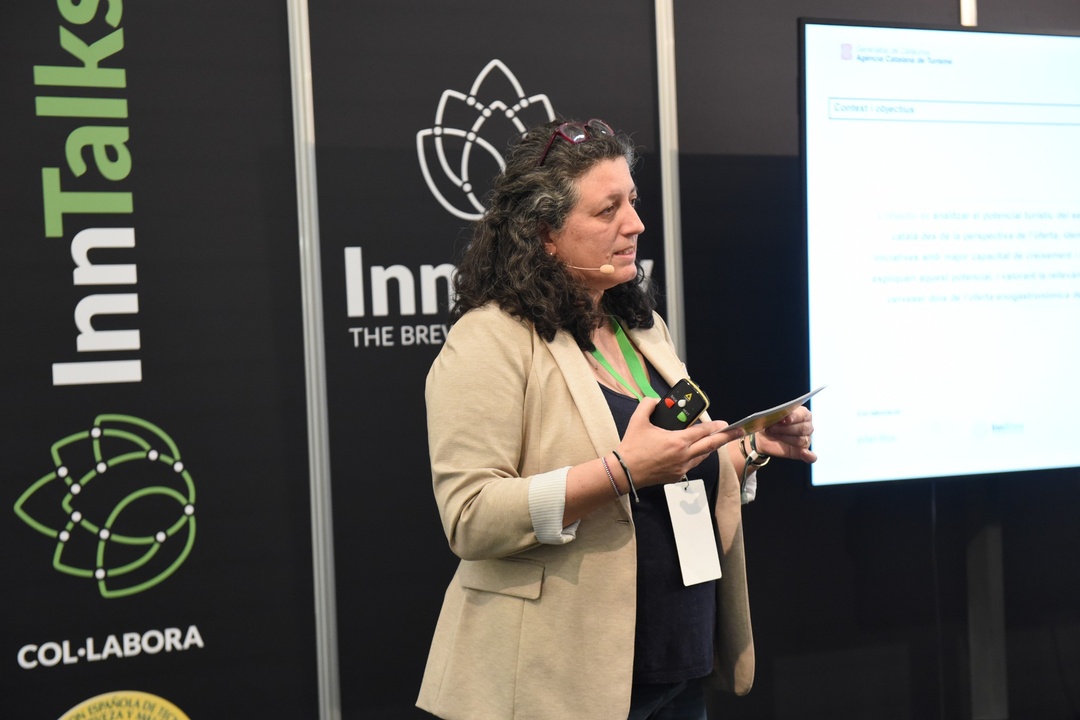
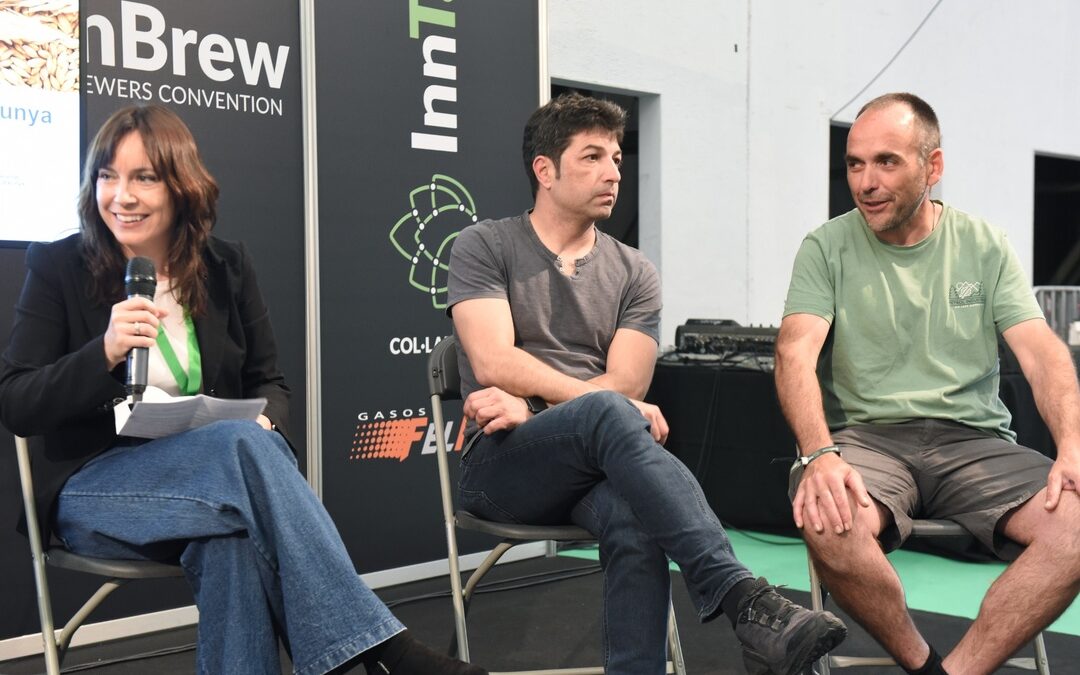
The session began with a presentation of the study by Mònica Santa Eulàlia, Head of Tourism Model and Research at the Catalan Tourist Board, who outlined the objectives, methodology and key findings of the report. This was followed by a roundtable discussion moderated by Mikel Rius of Beer Events, featuring Beatriz Nubiola, Head of Brands within the Experiences Marketing Unit at the Catalan Tourist Board; Abel Sánchez of C-Tretze Pirineus Brewery; and Óscar Mogilnicki of Lo Vilot Farm Brewery. Together, they provided practical insights from the brewing sector and shared their experiences in creating tourism experiences closely linked to their local territories.
The study is based on a mapping process that identified 231 initiatives connected to Catalonia’s beer ecosystem, including craft breweries, raw material producers, specialised venues and festivals. The analysis confirms the existence of a broad, diverse and geographically distributed sector with a remarkable capacity to create authentic experiences linked to gastronomy, culture and landscape.
Beyond identifying the existing offer, the study focused on assessing its tourism potential. To achieve this, a specific methodology was developed based on factors such as the uniqueness of each project, the quality of the visitor experience, territorial connections, hosting capacity and willingness to develop tourism-related activities. As a result, 30 representative initiatives were selected to showcase the sector’s growth potential.
One of the report’s main conclusions is that beer tourism is already a reality in Catalonia, although it still operates in a fragmented way and remains largely absent from mainstream tourism promotion channels. Brewery visits, guided tastings, specialised festivals and other beer-related experiences generate significant public interest, yet they often develop outside traditional tourism marketing and distribution networks.
The study highlights that the main challenge is not a lack of attractiveness or demand, but rather the need to structure and professionalise the existing offer in order to facilitate its integration into Catalonia’s tourism system. In this regard, craft beer is presented as a product that aligns perfectly with values that are increasingly important to visitors, such as authenticity, proximity, sustainability, innovation and a strong connection to place.
The findings also point to beer tourism’s strong ability to complement other well-established tourism products, particularly those linked to gastronomy, cultural tourism, rural getaways and nature-based experiences. This versatility reinforces its potential as a tool to diversify and enrich the country’s tourism offering.
The presentation at InnBrew helped showcase the work carried out and, above all, opened a discussion about the role craft beer can play in the future of Catalonia’s food and wine tourism strategy. According to the study’s conclusions, that future does not depend on creating a new tourism product from scratch, but on recognising, connecting and strengthening a reality that already exists throughout the territory.